Community power
An energy system transformation is essential. This time around, lets build a democratic energy system that keeps economic benefits in our communities and works in favor of our ecological future.
Community-Owned solar
We all know that moving towards a renewable energy system is a necessary part of a sustainable future. But who will the economic benefits of the new energy system go to? The fossil fuel energy system was one of the most powerful wealth generators in human history. We believe that revenues from the next energy system should be more equitably distributed and stay in and benefit local communities.
One of the biggest barriers to building community-owned solar -- where ownership of the solar system is local and economic benefits are controlled democratically -- is that private investors put in the up front costs of development and get most of a project’s economic returns. Recognizing this barrier, New York’s 2019 Climate Act called for the New York State Energy Research and Development Authority (NYSERDA) to create incentives to demonstrate renewable energy community ownership models.
Locally invested profits from community-owned solar can create a long term source of revenue to increase community economic security, help fund the creation of local food systems, and support civic projects. We’ve formed a partnership with Working Power, bringing together a unique mix of solar development, public-minded financing, project management, and community representation expertise. We hope to demonstrate the power of community-owned solar that maximizes community benefit.
—
The ECP formally initiated our “Solar for Social Good” project in the City of Peekskill in 2024, when we we responded to the City’s RFP and were granted the opportunity to develop community-owned solar on municipally-owned property that would maximize community benefits in Peekskill. Our project will provide the following community benefits to the Peekskill community:
The establishment of a 25-year Food Sovereignty Fund, which will support local food security and food sovereignty initiatives in Peekskill
Utility bill discounts of 20% to low- and moderate-income households and 10% to market-rate households.
Lease payments to the City to support civic projects
Partnership and referral fees to local CBOs to subscribe households to the community-owned solar project
Community choice aggregation (CCA)
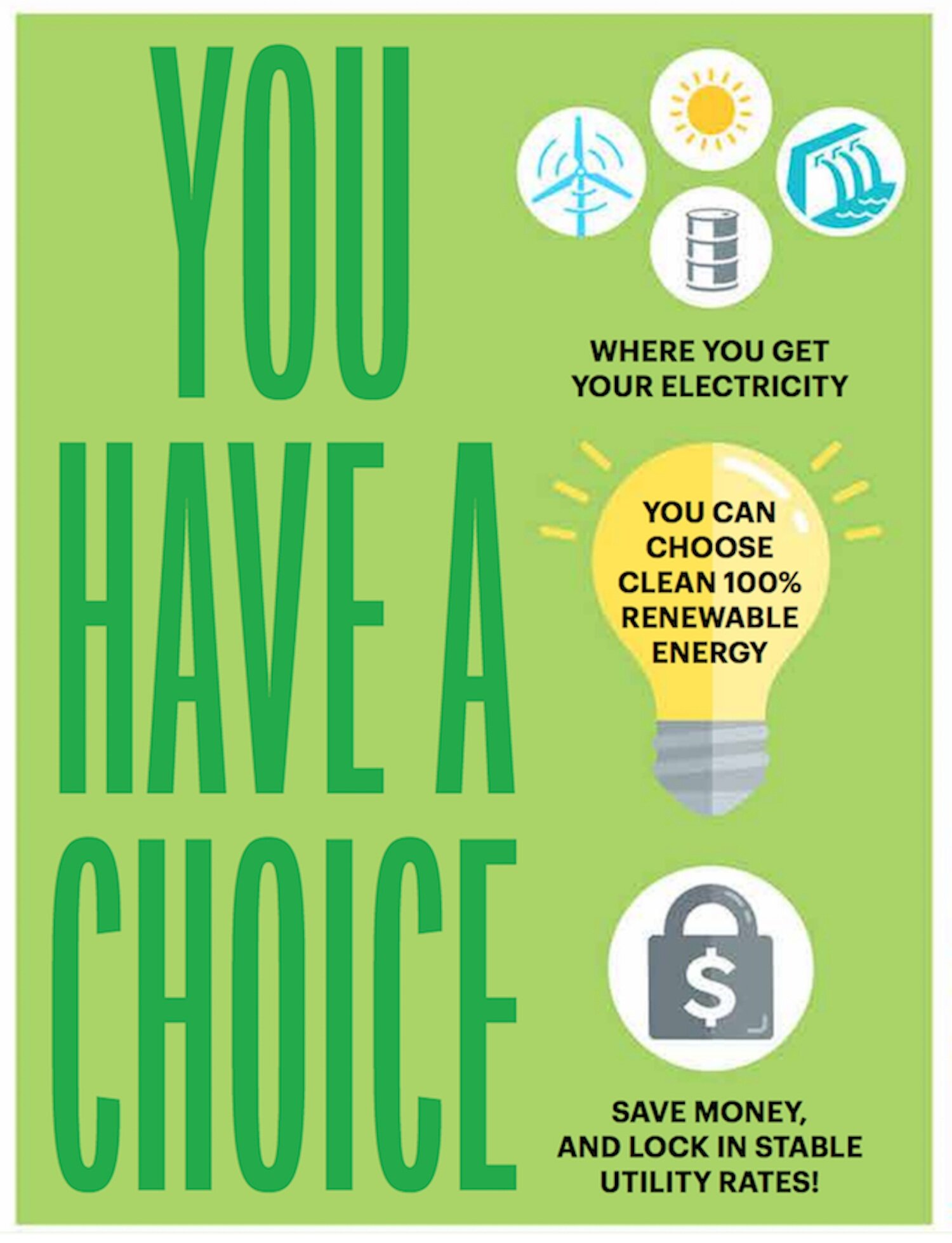
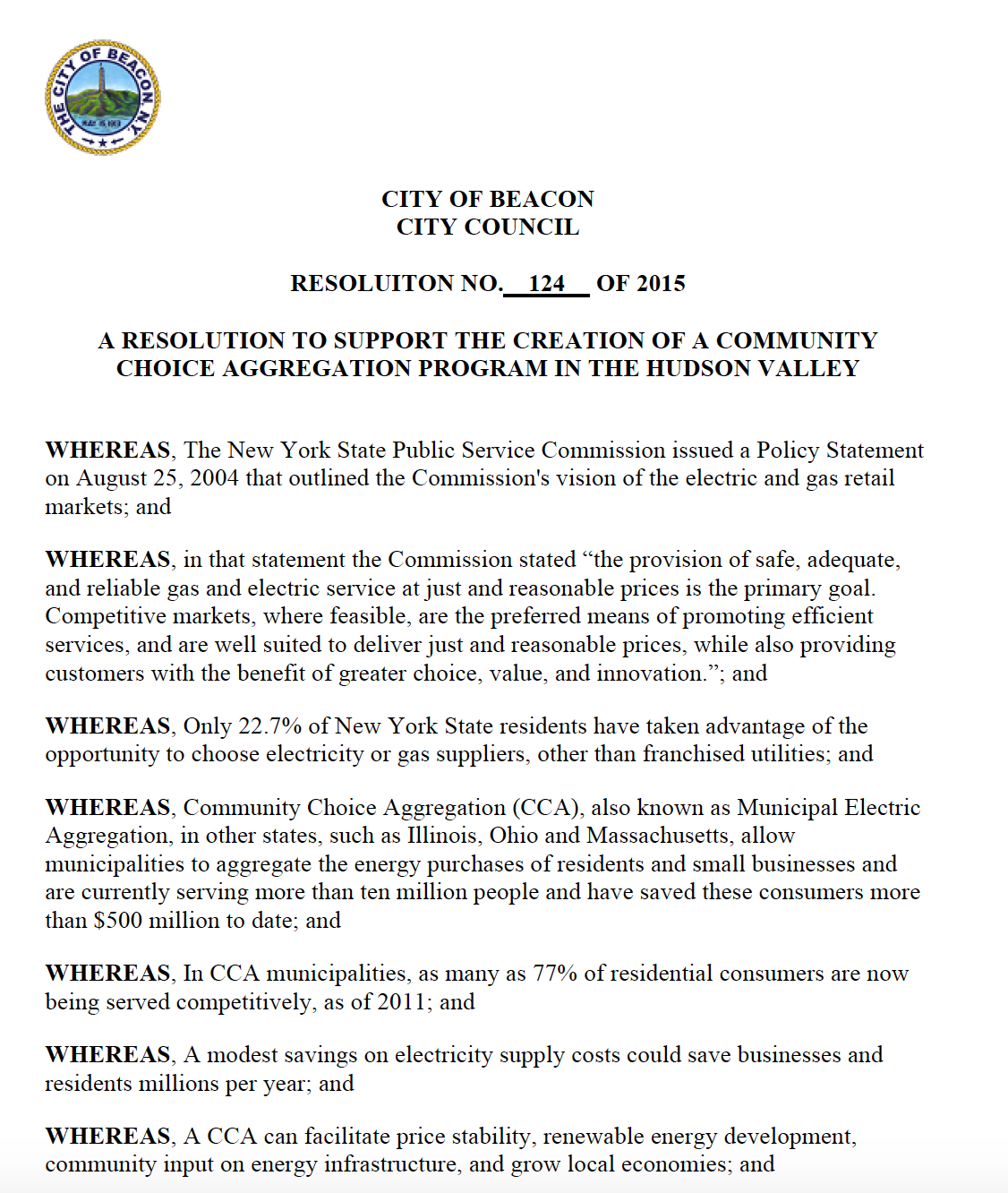
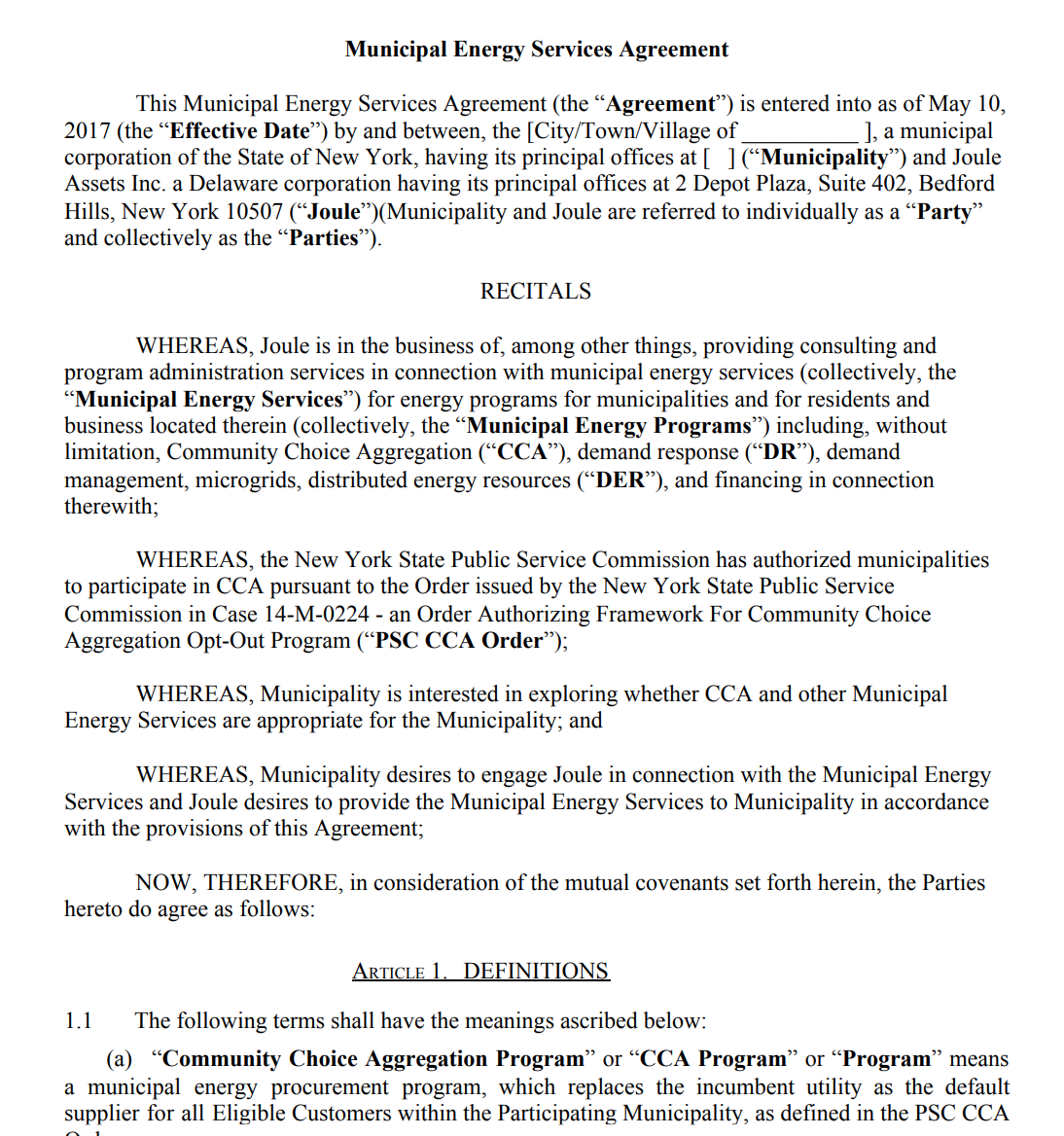
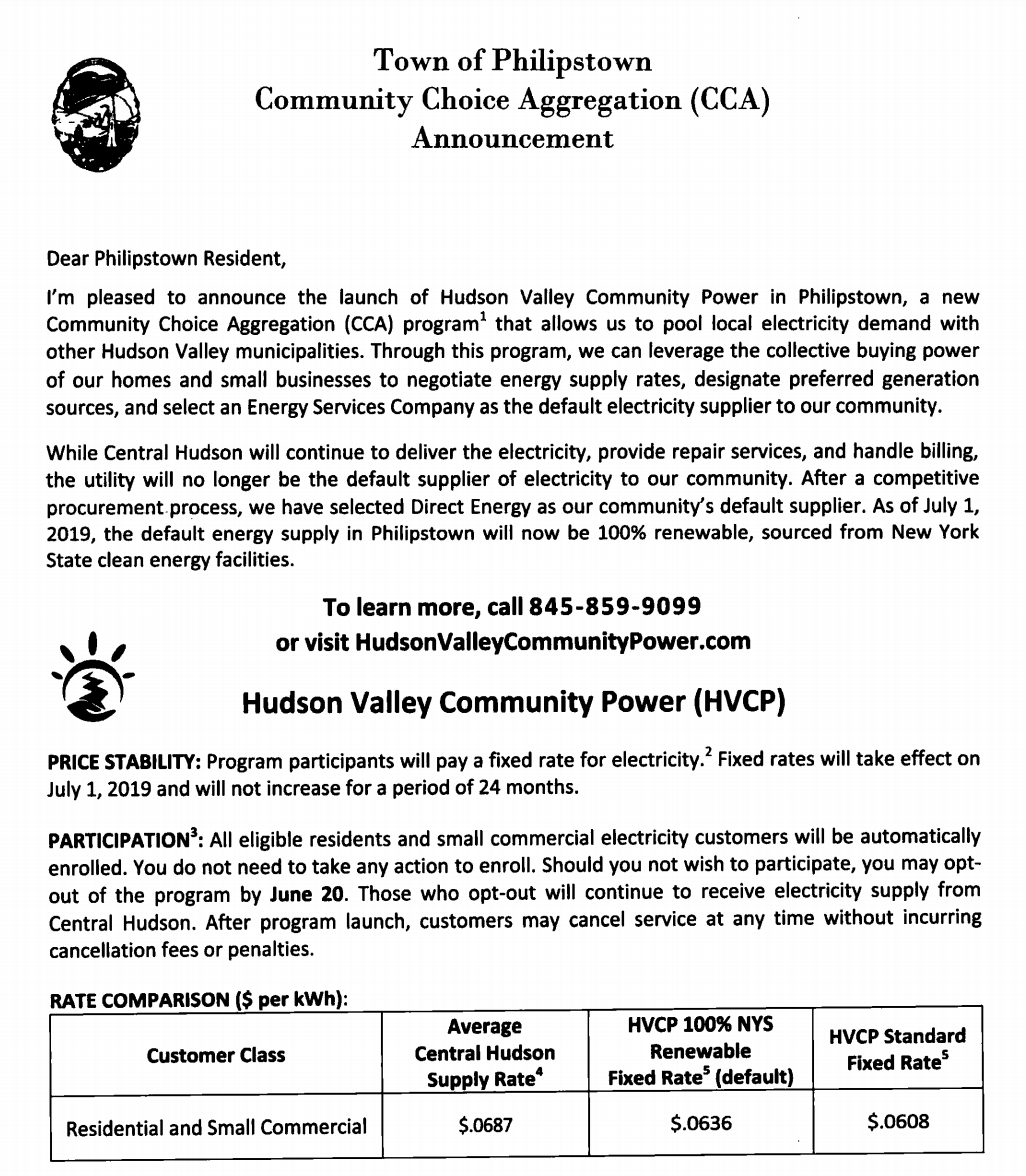
In 2016, New York State authorized Community Choice Aggregation (CCA), allowing local communities to pool homeowner and small business electricity accounts together to gain bargaining power in negotiating better energy supply agreements. CCAs give individuals the power to determine where their energy will come from and get the discounts usually reserved for the largest electricity customers.
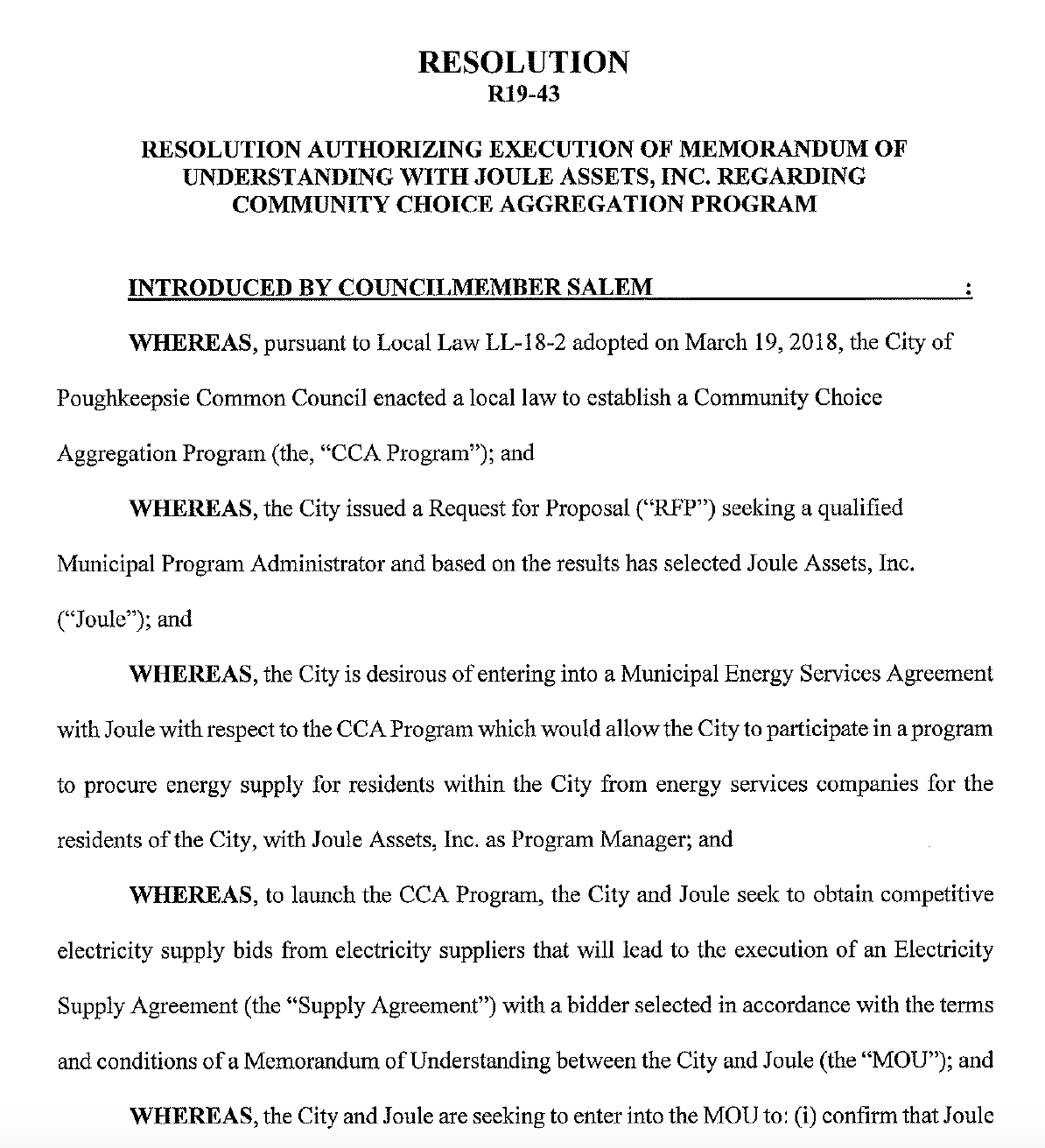
What began as coffee one morning between neighbors discussing how to make our community more sustainable led to the creation of New York's fourth CCA. After over thirty five educational presentations by the ECP and Renewable Highlands to community members, organizations, and local governments, on July 1, 2019 the City of Beacon, Town of Clinton, Village of Cold Spring, Town of Fishkill, Town of Marbletown, Town of New Paltz, Village of New Paltz, Town of Philipstown, City of Poughkeepsie, and Town of Red Hook moved 85,000 residents and small business owners to cheaper, 100% New York State produced renewable electricity.
Given that addressing climate change will require the mass electrification of home heating, cooling, and personal transportation, electrification will only be an effective strategy if the electricity sources we plug into are renewable. An independent assessment by ICLEI-Local Governments for Sustainability found that our CCA will reduce electricity emissions by 96.5% compared to Central Hudson’s previous generation mix. With approximately 30% of America's greenhouse gas emissions coming from electricity generation, CCAs are a local solution to a global problem.
In future work, we can use the collective bargaining power of the CCA to negotiate better deals on renewable energy development projects, electric cars, or mass heat pumps installation across the Hudson Valley. Working together across communities just got easier.
“Renewable Highlands and the Ecological Citizen’s Project are responsible for program formation and played an indispensable role in the organization of program municipalities and consensus-building around program priorities and goals.”
Campaign Toolkit